Mindfulness-based programs (MBP), often combining elements of meditation, body awareness and modern psychology, are designed to help reduce stress, improve health, and increase mental and emotional "resilience". These programs consist of small groups of participants led by a mindfulness teacher who facilitates reflection and sharing over the course of several one- to two-hour sessions.
To date, research findings on the effectiveness of positive thinking programs have been mixed. Researchers at the University of Cambridge hope to use higher-quality studies to determine the impact of positive thinking courses on psychological distress, which includes disturbing or unpleasant mental or emotional experiences such as anxiety and depressive symptoms.
On July 10, 2023, researchers from the University of Cambridge published an article in the Nature subseries Nature Mental Health entitled: Systematic review and individual participant data meta-analysis of randomized Systematic review and individual participant data meta-analysis of randomized controlled trials assessing mindfulness-based programs for mental health promotion.
The new analysis, which pooled data from 13 studies, confirmed that adults who voluntarily participated in mindfulness-based programs were less likely to experience symptoms of anxiety and depression for at least six months after completing the programs compared to adults who did not participate in mindfulness-based programs.
The findings suggest that similar teacher-led mindfulness programs should be encouraged in workplaces and educational institutions to prevent people from developing mental health problems.
The leader of the study, Dr. Julieta Galante of the University of Cambridge, said that in previous research, it was unclear whether these positive thinking sessions could promote mental health in different community settings. And this highest-quality study to date confirms that the face-to-face positive thinking programs typically offered in the community are indeed effective for the general population and can help bring about long-term mental health.
In this study, the research team pooled and analyzed data from 2,371 adults who adults took part in a trial evaluating the effectiveness of the Positive Thinking course. About half of the participants were randomly assigned to participate in an eight-week course of positive thinking, which took place for one to two-and-a-half hours each week, and they were compared to those who did not participate in the positive thinking course.
The study found that the Positive Thinking program had mild to moderate reductions in psychological distress in adults, with a 13 percent higher percentage of those who attended the Positive Thinking program showing mental health benefits compared to those who did not. They also found that existing psychological distress, age, gender, education level, and propensity for positive thinking did not alter the effectiveness of the positive thinking program.
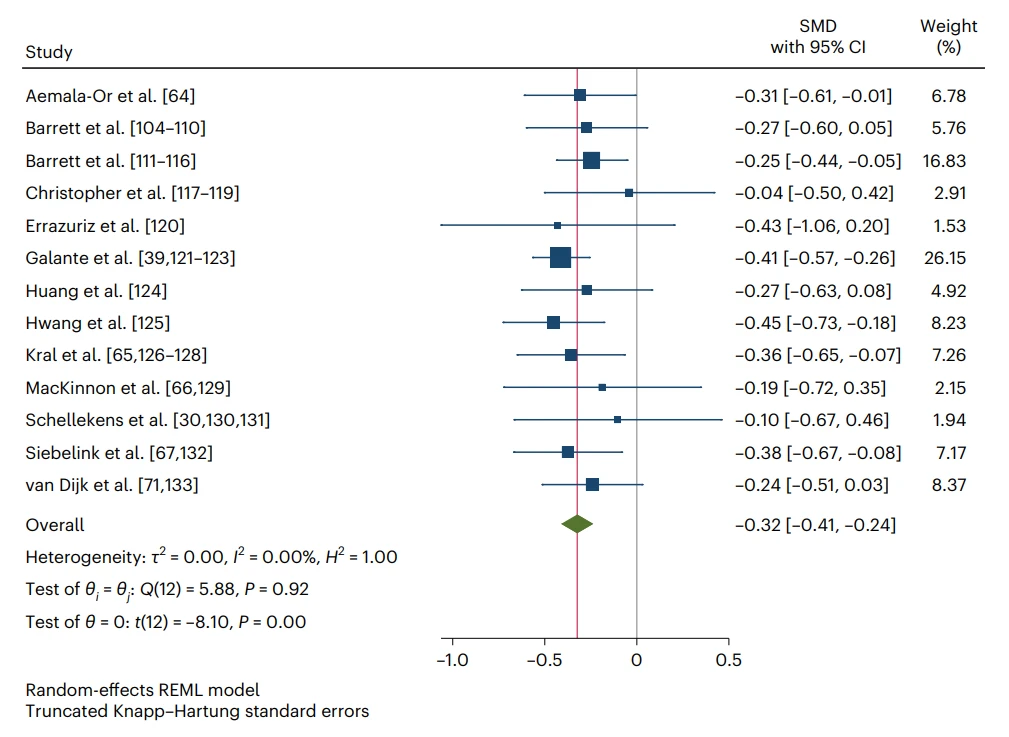
According to Dr. Julieta Galante, we have shown that if adults choose to take a Positive Thinking course in person in a group setting under the guidance of a teacher, it will help reduce their psychological distress and therefore improve their mental health. But that's not to say that everyone should do this either, as research has shown that positive thinking courses don't work for some people.
The research team said that various mobile apps for positive thinking learning are currently on the rise, but the study was not able to determine whether positive thinking itself reduced psychological distress in participants or whether the face-to-face work of the positive thinking course teachers played a role. Positive thinking apps may be cheaper, but there is little strong evidence of their effectiveness yet. The research team will next look further into the effectiveness of receiving positive thinking sessions via mobile apps.