

|
Name
|
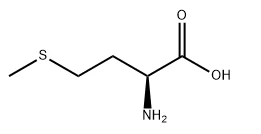
DL-Methionine
|
|---|---|
|
Synonyms
|
(R,S)-2-Amino-4-methylsulfanyl-butyricacid;
(RS)-2-Amino-3-methylthiobutan sαure;
Metione; Neston; Pedam eth;
Petameth; Thimedon; Urimeth
|
|
CAS Number
|
59-51-8
|
|
Molecular Formula
|
C5H11NO2S
|
|
Molecular Weight
|
149.21
|
|
EINECS Number
|
200-432-1
|
|
Melting Point
|
284 °C (dec.)(lit.)
|
|
Specific Optical Rotation
|
-1 ~ +1°(D/20°C)(c=8, HCl)
|
|
Boiling Point
|
306.9±37.0 °C (Predicted)
|
|
Density
|
1.34
|
|
FEMA
|
3301
|
|
Refractive Index
|
1.5216 (estimate)
|
|
Storage Conditions
|
2-8°C
|
|
Solubility
|
Soluble in M HCl: 0.5 M at 20 °C, clear, colorless
|
|
Acid Dissociation Constant (pKa)
|
2.13 (at 25°C)
|
|
Form
|
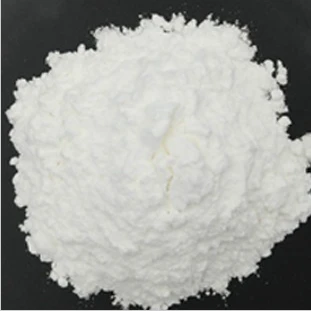
Crystalline or crystalline powder
|
|
Color
|
White
|
|
Odor (Odor)
|
Weak sulfurous smell
|
|
Odor Type
|
acidic
|
|
Biological Source
|
synthetic
|
|
Optical Rotation
|
[α]D/c = 5 in 5 M HCl (inactive)
|
|
Water Solubility
|
2.9 g/100 mL (20 °C)
|
|
Usage
|
It serves as a nutritional supplement. It has the same physiological effects as L-methionine but is cheaper (since L-methionine is derived from DL-methionine), so DL-methionine is generally used.
It is a limiting amino acid in plant-based foods such as oats, rye, rice, corn, wheat, peanut powder, soybeans, potatoes, and spinach. It is added to the above-mentioned foods to improve amino acid balance. Its required amount varies with the intake of cystine; the daily requirement for adult men is 1.1 g.
The sea urchin-like flavor is related to methionine, the sweet taste of sea urchins to glycine and alanine, the bitter taste to valine, and the umami taste to glutamic acid, etc. Therefore, these amino acids can be formulated into flavoring agents. It is also used in amino acid infusions and comprehensive amino acid preparations.
|
Hot Tags: dl-methionine cas:59-51-8, China, manufacturers, suppliers, factory, custom, wholesale


