In recent years, with key breakthroughs in fundamental research such as cellular aging mechanisms and gene regulation in life sciences, a series of drugs or interventions aimed at delaying the aging process have been transitioning from laboratories to the forefront of clinical application.
01 Broad Market Prospects for Anti-Aging Drugs
According to predictions by the World Health Organization, by 2050, the global population aged 60 and above will increase to 2.1 billion, including 426 million individuals aged 80 and older. As the issue of global population aging intensifies, anti-aging has evolved into a highly promising biomedical industry. According to Business Research Insights, the global market size for anti-aging drugs is projected to reach USD 10.37 billion in 2026, and is expected to grow to USD 21.05 billion by 2035, with a compound annual growth rate (CAGR) of 7.92% from 2026 to 2035 (Figure 1).
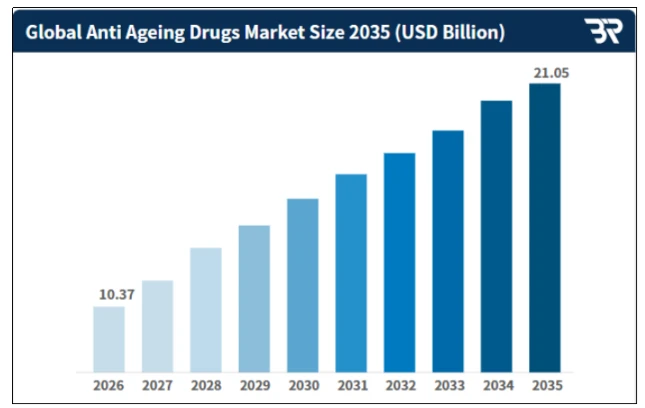
Figure 1: Market Forecast for Anti-Aging Drugs
Image source: Business Research Insights
Although traditional dietary and lifestyle adjustments are beneficial for delaying aging, they are insufficient to address the risks posed by multiple potential chronic diseases. In recent years, the scientific community has shifted its focus toward directly intervening in the biological processes of aging, aiming to fundamentally slow functional decline and prevent or treat age-related diseases (Figure 2).
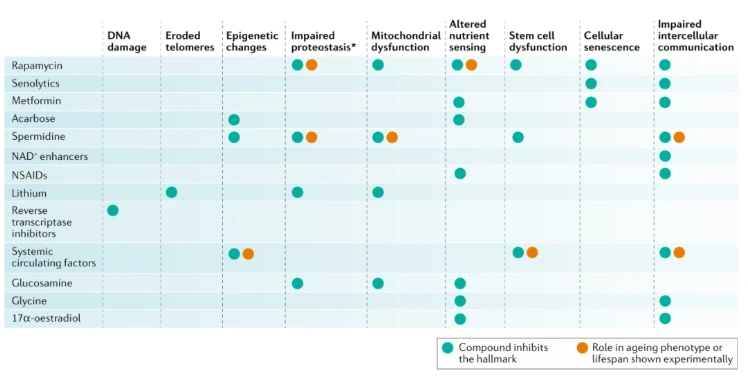
Figure 2: Promising Anti-Aging Agents and Their Effects on Specific Hallmarks of Aging
Image source: Nature Reviews Drug Discovery
Among these, senolytics-drugs that selectively clear senescent cells-have become a major research focus and commercial driver, with several senolytic agents now in human clinical trials.
The combination of dasatinib and quercetin, known as "D+Q," is one of the most prominent examples of senolytic therapy in the anti-aging field. Dasatinib targets specific signaling pathways in senescent cells, inducing apoptosis in aged adipocytes, endothelial cells, and others, thereby reducing the survival capacity of these cells. Quercetin possesses antioxidant and anti-inflammatory properties; it modulates the expression of apoptosis-related proteins and inhibits the release of inflammatory factors. When used in combination with dasatinib, it enhances the selective clearance of senescent cells. Additionally, BCL-2 family inhibitors such as navitoclax (ABT-263), as well as common dietary supplements like fisetin, have also demonstrated broad-spectrum senolytic effects.
Moreover, metabolic regulators represented by the mTOR inhibitor rapamycin and metformin are gaining renewed recognition for their anti-aging potential.
Numerous studies have shown that both drugs can extend lifespan in various animal models. Beyond lowering insulin and insulin-like growth factor 1 (IGF-1) levels to treat diabetes, metformin also alleviates multiple markers of aging. Rapamycin, originally approved by the FDA as an antibiotic and immunosuppressant to prevent organ transplant rejection, has attracted growing attention in recent years due to its potential longevity benefits. Studies indicate that rapamycin can extend mouse lifespan by 9% to 14%.
Meanwhile, boosting intracellular NAD⁺ levels has emerged as another popular anti-aging strategy, sparking a surge in related dietary supplement markets.
NAD⁺ is a vital coenzyme involved in core cellular activities such as energy metabolism, DNA repair, and regulation of SIRT longevity genes. A 2021 article published in Nature Reviews Molecular Cell Biologyhighlighted that NAD⁺ can directly and indirectly influence cellular processes critical to maintaining tissue and metabolic homeostasis and promoting healthy aging.
However, a head-to-head human study published in Nature Metabolismin 2026 revealed significant differences in efficacy among NAD⁺ precursors: nicotinamide riboside (NR) and nicotinamide mononucleotide (NMN) effectively and sustainably elevate blood NAD⁺ levels, whereas nicotinamide (Nam) shows limited impact. This suggests that future product development should place greater emphasis on scientifically informed ingredient selection and long-term clinical validation, marking a shift in the market from early hype toward rational, evidence-based approaches.
Notably, anti-aging research is now beginning to explore the "resetting" of life programs. Life Biosciences, co-founded by Harvard professor and "anti-aging pioneer" David Sinclair, plans to launch a human clinical trial this year using transcription factors Oct4, Sox2, and Klf4 (collectively OSK) to transiently reprogram cells, "erasing" accumulated epigenetic errors associated with aging and restoring youthful cellular function. The goal is to treat age-related conditions such as glaucoma.
02 A New Dimension in Anti-Aging through Traditional Chinese Medicine
In Traditional Chinese Medicine (TCM), aging is viewed as the combined result of "kidney essence depletion, vital qi deficiency, and the gradual wear of body and spirit." These three factors are interrelated and mutually reinforcing. TCM formulas represent the core approach to anti-aging, working to replenish kidney essence, restore vital qi, and regulate the functions of internal organs, thereby achieving anti-aging effects.
Guided by this theory, research on TCM compound formulas for anti-aging holds promise to provide more "Chinese solutions" to the global anti-aging field. Bai Zi Bu Shen Capsule (Eight Seeds Kidney-Tonifying Capsule) is a representative example. Its formula strictly follows the principle of "replenishing kidney essence, enhancing vital qi, and harmonizing body and spirit," combining eight types of seed-based medicinal ingredients with Rehmannia root, ginseng, and epimedium, reflecting the wisdom of "balancing yin and yang, and simultaneously nourishing essence and qi" in herbal compatibility.
Studies have confirmed that Bai Zi Bu Shen Capsule can delay aging through eight major mechanisms, including reducing senescent cells and maintaining mitochondrial homeostasis. It exerts systematic intervention and comprehensive anti-aging effects on the functional decline of multiple bodily systems. In large-scale anti-aging research, the capsule extended the lifespan of naturally aging mice by more than seven months, providing strong evidence for the scientific value of this theoretical approach. In June 2024, a randomized, double-blind, placebo-controlled, multicenter clinical study on Bai Zi Bu Shen Capsule for the treatment of premature aging was published in Phytomedicine, opening up a new and effective pathway for the prevention and treatment of age-related diseases in anti-aging medicine (Figure 3).
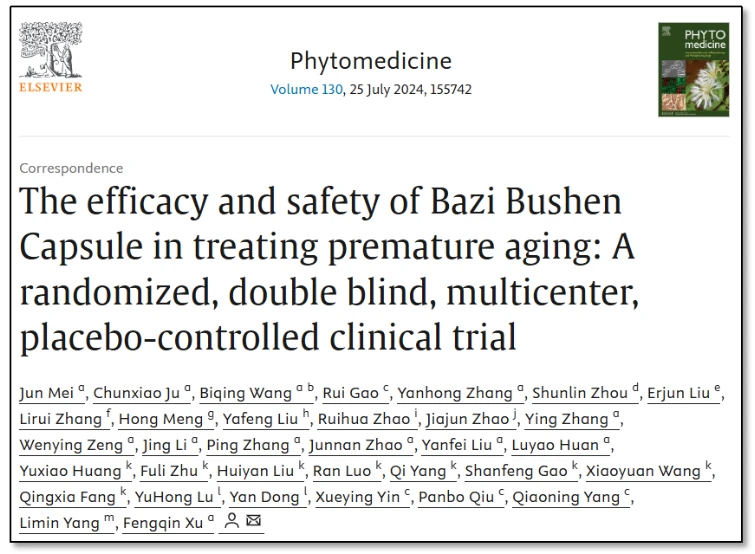
Figure 3: Clinical Study of Bai Zi Bu Shen Capsule
Image source: Phytomedicine
At the same time, research on Xiyangshen-Sanqi-Danshen Granules and Qigu Capsule has further revealed the potential of TCM compound formulas to inhibit oxidative damage and inflammation, promote stem cell function, and delay aging by activating pathways such as AMPK/SIRT1 and HIF-1α/AMPK. These findings provide cellular and molecular-level evidence for the multi-target, network-based regulatory advantages of TCM compounds in modulating the aging process.
In addition, research on individual active components from TCM herbs has become another powerful tool for expanding the frontiers of anti-aging science. These studies directly link specific compounds found in traditional medicinal plants with cutting-edge areas of aging biology. Between 2024 and 2025, a series of high-level studies successively uncovered the potential of several star molecules.
In October 2024, a study published in Cellshowed that artesunate could inhibit the proliferation, migration, and contraction of primary human cardiac fibroblasts, reduce collagen deposition, improve contractile function of cardiac tissue, alleviate myocardial fibrosis, and enhance heart function in mice with heart failure. These results highlight its considerable potential in the field of anti-aging (Figure 4).
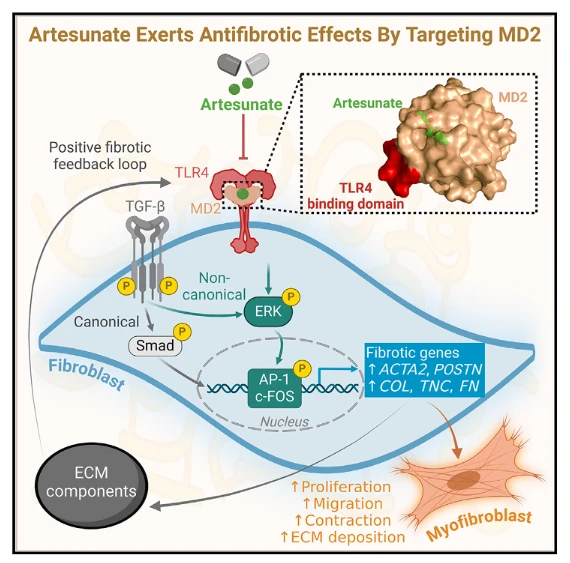
Figure 4: Artesunate Shows Great Potential in Improving Cardiac Function and Anti-Aging
Image source: Cell
In addition, luteolin, a flavonoid derived from sage, has been shown to promote lifespan extension by interfering with the p16–CDK6 interaction, a core regulatory step in cellular senescence. Meanwhile, ganoderic acid A from Ganoderma lucidum(Reishi mushroom) and triterpenoids from Ganoderma spores have each been confirmed to combat cellular aging and delay vascular aging through distinct mechanisms-maintaining ribosomal homeostasis and activating the Sirt7–Nrf2 antioxidant axis, respectively.
Curcumin, a compound extracted from turmeric, exhibits notable anti-inflammatory and antioxidant properties. During inflammatory responses, it can suppress the activity of NF-κB, a crucial transcription factor involved in regulating the expression of multiple inflammation-related genes. At the same time, curcumin acts as a potent free radical scavenger, neutralizing reactive oxygen species in the body and protecting cells from oxidative damage, thereby slowing the aging process.
These findings reveal, at the biological level, the possible anti-aging mechanisms of traditional single-compound TCMs such as Ganoderma lucidumand turmeric, providing direct lead compounds and target pathways for developing precise, natural product–based anti-aging interventions.
03 The "Anti-Aging Storm" of GLP-1 Receptor Agonists (GLP-1RAs)
Since the approval of the first GLP-1RA drug, exenatide, in 2005, this class of medications has evolved from adjunctive therapy to a therapeutic cornerstone in the field of metabolic diseases. In 2024, global sales of GLP-1RAs reached USD 51.8 billion, a year-on-year increase of 40%. Evaluate Pharma predicts that by 2030, the market size will climb to USD 130 billion, with approximately half of the demand driven by glycemic control and half by weight loss (Figure 3).
Drugs such as semaglutide and tirzepatide, representing the latest advances in GLP-1RAs, have profoundly reshaped the market landscape for metabolic diseases thanks to their remarkable efficacy in treating type 2 diabetes and obesity. However, the clinical value of GLP-1RAs continues to expand. Numerous basic and clinical studies in recent years have revealed benefits extending far beyond glucose reduction and weight loss, reaching into cardiovascular protection, renal benefits, interventions for neurodegenerative diseases, and even modulation of the aging process itself.
A study published in Nature Agingin May 2025 elucidated a novel mechanism by which GLP-1RAs may help prevent and treat Alzheimer's disease (AD). The research showed that GLP-1RAs activate AMPK, a central regulator of cellular energy metabolism. This activation not only suppresses BACE1, a key enzyme responsible for β-amyloid (Aβ) production, but also enhances microglial phagocytic clearance of Aβ. As a result, pathological plaque deposits in the brains of AD model mice were significantly reduced, and cognitive function improved. This finding reveals a direct pathway through which GLP-1RAs may counteract neurodegenerative changes by regulating central energy metabolism homeostasis (Figure 5).
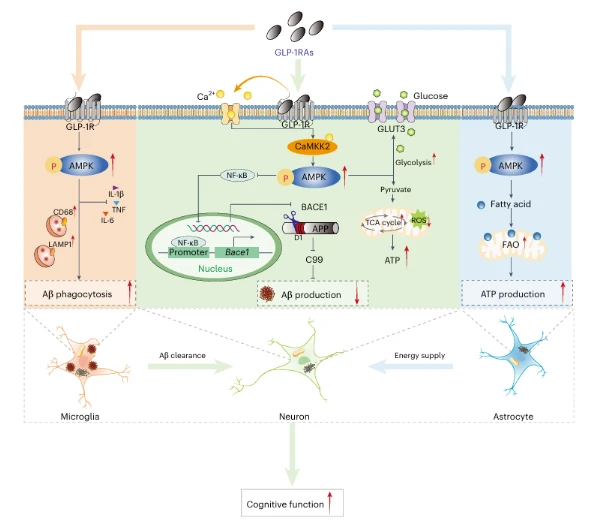
Figure 5: GLP-1RAs Alleviate AD Pathological Features and Cognitive Impairment by Regulating Energy Metabolism
Image source: Nature Aging
Meanwhile, in November of the same year, another study published in Cell Metabolismconducted deep, multi-tissue, multi-omics analyses in aged mice, providing the first systematic molecular evidence that GLP-1RA treatment can broadly reverse age-related transcriptomic and metabolomic alterations across multiple organs, while also improving certain physiological functions. Furthermore, comparative analysis revealed that the multi-omics anti-aging profile induced by GLP-1RAs closely resembles the effects of the classic anti-aging drug rapamycin, suggesting that GLP-1RAs may exert their wide-ranging benefits by influencing conserved core pathways of aging.
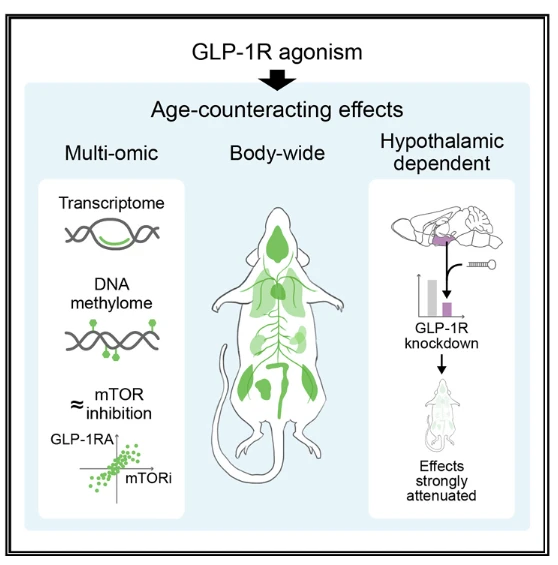
Figure 6: GLP-1RAs Exhibit Potential Anti-Aging Effects
Image source: Cell Metabolism
In the current GLP-1RA market, Novo Nordisk and Eli Lilly are clearly moving beyond the scope of simple weight-loss indications in their strategic development.
Eli Lilly, with tirzepatide, has already demonstrated a leading advantage in both sales performance and market expectations. Evaluate Pharma forecasts that by 2030, global sales of tirzepatide could reach USD 61.7 billion, potentially making it an unprecedented "super blockbuster." Its pipeline includes oral GLP-1 drugs and a "triple agonist" called retatrutide, which activates GLP-1, GIP, and glucagon receptors simultaneously. Retatrutide has attracted considerable attention due to its stronger weight-loss effects observed in early trials.
Novo Nordisk, on the other hand, is focused on expanding the applications of semaglutide. One of its key investigational products is CagriSema, a fixed-dose combination of semaglutide and a pancreatic amyloid polypeptide analog, designed to achieve superior weight loss and metabolic improvements through synergistic action.
Currently, research on GLP-1RAs in the field of anti-aging remains in its early stages. However, as studies continue to progress, GLP-1RAs hold vast untapped potential in anti-aging therapies.
04 Conclusion
Anti-aging has entered a new era based on scientific intervention. Biomedical breakthroughs-represented by senolytics, metabolic regulators, NAD⁺ supplementation, cellular reprogramming, GLP-1 receptor agonists, and traditional Chinese medicine-are driving the anti-aging drug market from vision to reality. Slowing down aging may no longer be a distant prospect!