Weight loss, has become a lot of people's life in the "required courses". Life, is not the first to satisfy the desire to eat, and then suddenly found themselves in the belly, and finally had to join the weight loss army and began to control the diet (do not love to eat, eat not fat people except).
Along with this is the overwhelming, a variety of weight loss diet "secret", such as intermittent fasting, energy restriction method, the Mediterranean diet, ketogenic diet, as well as the Valley (commonly known as "do not eat"), and so on, endless, dazzling. But in the last 20 years, the hottest and most sought-after is intermittent fasting (IF).
Intermittent fasting is a diet that alternates between eating and fasting, where you eat food normally for a certain period of time and eat almost nothing for the rest of the time. At the same time, this diet is relatively simple and does not require strict control over the amount of energy consumed at each meal, but focuses more on the timing of eating.
The specific methods are as follows:
➤ Alternate Day Fasting (ADF) program: one day of eating, one day of no or little food, calorie control in 0-500kcal, more extreme in the fasting day only drink water and sugar-free coffee, tea;
➤5:2 program (The 5:2 diet): eating 5 days a week, 2 days for fasting day, fasting day calorie intake restricted to 500-1000kcal;
➤16:8 program (time-restricted feeding, TRF): 16 hours of fasting and 8 hours of eating in a day, with unlimited calories during the eating period.

Three common methods of light fasting (https://doi.org/10.1038/s41574-022-00638-x)
But people who have lost weight know that weight loss is not overnight, more accurately described as a "war of attrition", intestinal physiology, hormones and the brain and other complex interactions between the body systems, will bring a lot of adverse effects on weight loss. So, is intermittent fasting really "effective in weight loss"? What is the mechanism behind?
Recently, a team of researchers from Henan Provincial People's Hospital has developed an effective weight loss strategy, intermittent energy restriction (IER), and explored the "underlying causes" of weight loss. IER, which is similar to the alternate-day fasting program in IF, not only reduced the weight of obese patients by 7.61 kg, but also effectively affected the brain-gut-microbiome (BGM) axis, leading to effective weight loss and weight maintenance.
The researcher recruited 25 obese patients from the hospital with a body mass index between 28-45 kg/m^2. Participants were required to strictly follow the IER protocol proposed in this study, which consisted of 3 phases:
Phase 1, a normal diet for 4 days with no calorie or food type restriction;
Phase 2, a strict fasting phase (HC) of 32 days, all divided into 4 progressive time periods, providing participants with 2/3, 1/2, 1/3, and 1/4 of their baseline energy intake, respectively, with one day of HC separated by one day of normal diet;
The third phase, the slow fasting phase (LC) for 30 days, was controlled at 600 kcal/day for men and 500 kcal/day for women, with one day of LC separated by one day of normal diet.
In this, the clinical dietitian would configure the IER meals based on the subjects' basal energy intake, with each meal consisting of 55% carbohydrate, 15% protein, and 30% fat. And fecal and blood samples were collected at 4 different time points throughout the fasting period.
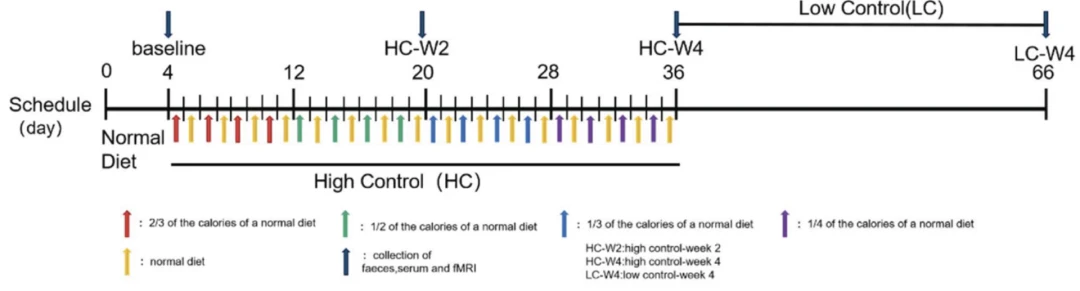
Flow chart of the IER program
The weight loss results of the IER program did not disappoint. The post-intervention weight of the obese patients was significantly lower than the baseline level, from a mean value of 97.53 (±15.67) kg to 89.92 (±14.98) kg. In addition to the most visualized weight, the values of body mass index (BMI), body fat percentage (BF%), and waist circumference (WC) were all significantly reduced.
Not only that, serum levels of systolic blood pressure, diastolic blood pressure, glycosylated hemoglobin, fasting plasma glucose, total cholesterol, HDL, LDL, alanine aminotransferase, and aspartate aminotransferase were significantly decreased.
It is evident that the IER dietary pattern not only alleviated obesity, but also mitigated the complications of obesity-related diseases, such as hypertension, hyperlipidemia, and hepatic function abnormalities.
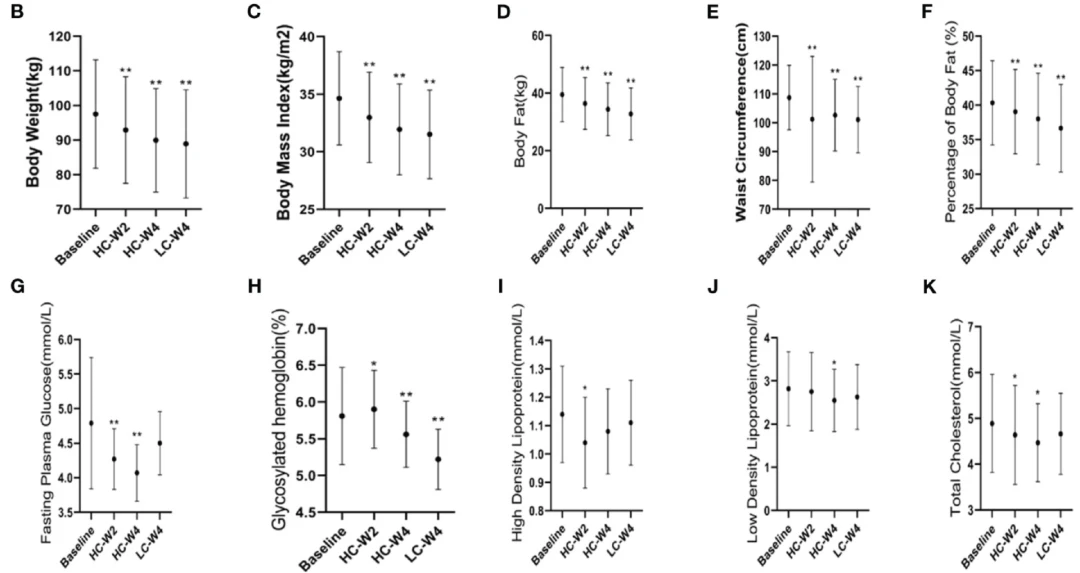
Weight loss during IER intervention and numerical improvement
Previous studies have confirmed the important role of addiction-related brain regions (including reward, cognitive control, emotion, and sensory circuits) in the pathogenesis of obesity and in the process of weight management, especially the reward circuitry, which encompasses the striatum, the nucleus ambiguus, and the ventral pallidum, and is primarily responsible for regulating the motivation to eat.
Based on these considerations, the researchers examined the effects of IER intervention on brain activity using resting-state functional magnetic resonance imaging (fMRI). The results showed that the Reho values of the left inferior frontal gyrus and the nucleus accumbens decreased significantly from baseline at around 16-20 days, and the Reho values of the right inferior frontal gyrus, anterior cingulate gyrus, left dorsolateral prefrontal cortex, and the right nucleus accumbens also decreased significantly at 28 days.
Indeed, the aforementioned brain regions are responsible for cognitive control, emotion, learning memory and sensation. It is thus clear that the IER dietary pattern is effective in reducing the activity of brain regions associated with food intake regulation, leading to successful weight loss and weight maintenance.
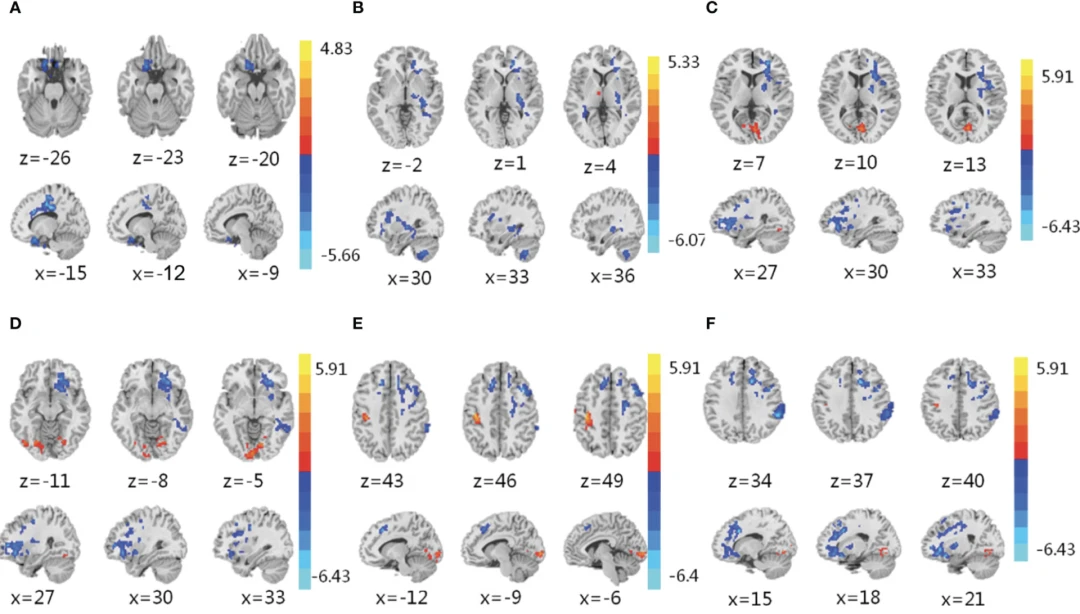
fMRI images show changes in the brain
In addition to "head-on" changes, the IER intervention effectively and dynamically increased the abundance and diversity of gut microbes in obese individuals. Shannon diversity analyses showed that the number of gut microbial species was significantly higher after the second period of the strict fasting phase than at baseline.
Specifically, at baseline, the most abundant bacterial group in obese individuals was the foodborne pathogen Escherichia coli, but the abundance of E. coli decreased significantly as the IER intervention progressed. However, there was a significant increase in the abundance of obesity-associated Clostridium pellucidum and Dictyostelium parapsilosis compared to baseline, which peaked at around 16 days. Similar trends were seen in the gut microbiota of Clostridium flexneri, Clostridium perfringens, Clostridium visceralis odorata, and Clostridium pasteurianum.
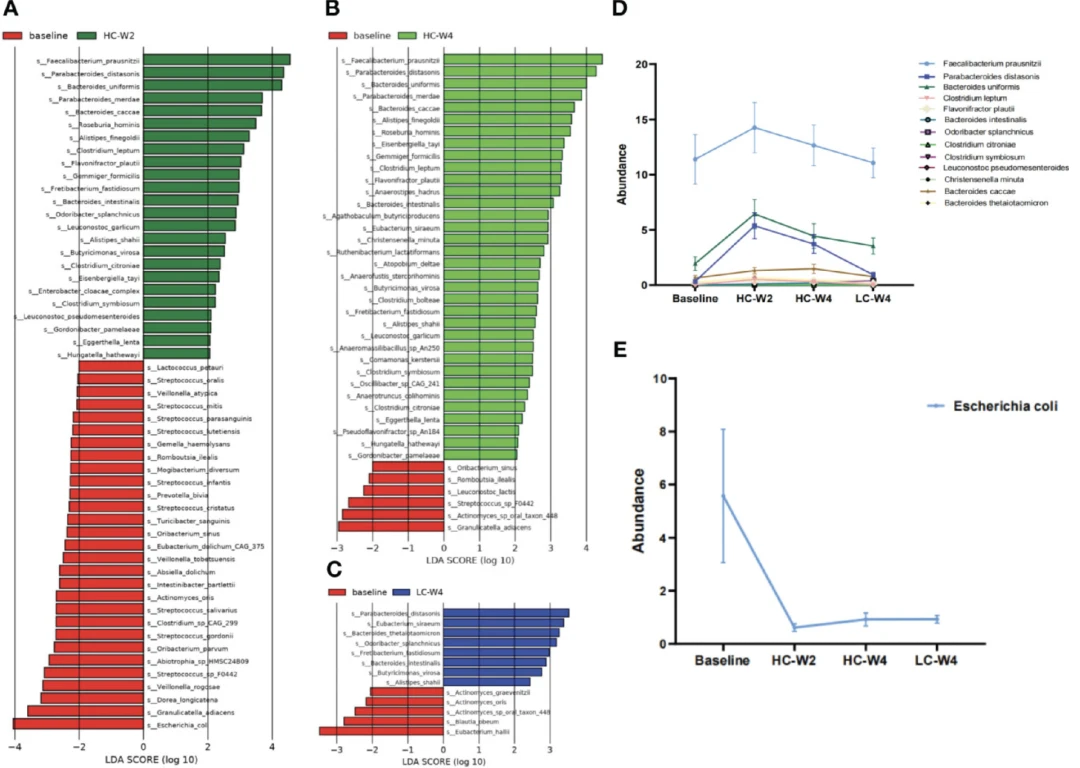
Changes in gut flora
Finally, considering the important role played by the BGM axis in weight maintenance, the researchers explored the dynamic correlation between different abundances of gut bacteria and brain regions in response to IER eating patterns. The results obtained were surprising: the IER was able to induce a dynamic interaction between the brain and the gut microbiota.
At baseline, the abundance of Escherichia coli, E. faecium and Fusobacterium cholerae were negatively correlated with activity in the left inferior frontal gyrus of the brain, a region that plays a key role in executive functions, including the "willingness to lose weight"; whereas the abundance of Paramecium dichotomum and Clostridium difficile were positively correlated with activity in the right inferior frontal gyrus of the brain and the right nucleus accumbens, respectively, which are brain regions implicated in attention, motor inhibition, and the ability to respond to IER dietary patterns. brain regions associated with attention, motor inhibition, emotion, and learning.
However, at 20 days (i.e., the end of the second period of HC), the abundance of Anabaena fecalis was negatively correlated with activity in the left inferior frontal gyrus and the abundance of Anabaena polymorpha was negatively correlated with activity in the left inferior frontal gyrus and anterior cingulate gyrus but the abundance of Coccidioides faecalis associated with it shifted to positively correlate with activity in the right nucleus accumbens.
By day 28 (i.e., the end of the third period of HC), the brain-gut interaction was further altered. The abundance of E. coli, Dictyostelium parapsilosis, and Clostridium perfringens were negatively correlated with the activity of the right soybean nucleus, the left dorsolateral prefrontal cortex, and the right inferior frontal gyrus, respectively, whereas the abundance of Streptococcus salivarius and Clostridium perfringens were also positively correlated with the activity of the right inferior frontal gyrus and the soybean nucleus, respectively.
Thus, there is a dynamic interaction between the brain and gut microbes throughout the IER process, and chemical signals produced by the gut microbiota play an important role in weight loss by determining dietary behavior through interactions with the brain.
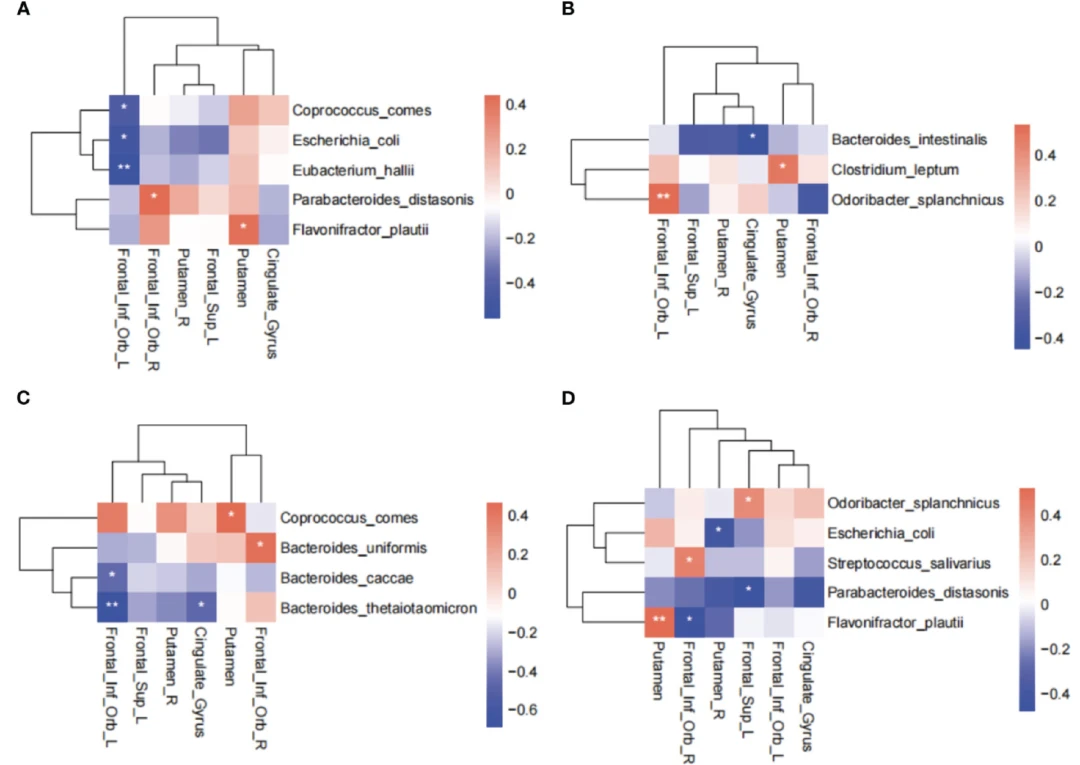
Gut bacteria and brain regions respond to IER
According to the research team, the gut microbiota is able to communicate with the brain in a complex way - the gut flora produces neurotransmitters and neurotoxins, which enter the brain through the nerves and bloodstream; in turn, the brain controls dietary behaviors, and the nutrients in the diet further change the composition of the gut microbiota.
In summary, long-term IER dietary patterns can effectively lose weight, and even "from head to gut" to change the obese patients, to achieve long-term effective weight loss and maintenance.
It seems that, in order to lose weight effectively, you really have to "hungry one day, full one day"! Methods have told you, want to effectively lose weight and do not rebound? Weight loss people are still not fast action!