Recently, researchers from Utrecht University Medical Center published a research paper in Nature Nature Cardiovascular Research entitled: Therapeutic efficacy of AAV-mediated restoration of PKP2 in arrhythmogenic cardiomyopathy.
The study, using adeno-associated virus (AAV)-delivered PKP2 gene therapy, lays the groundwork for gene therapy for arrhythmogenic cardiomyopathy (ACM), an inherited heart disease, which will be tested in multiple clinical trials in the U.S. in 2024.
Arrhythmogenic cardiomyopathies (ACM) are usually due to mutations in genes related to the desmosome, which are responsible for connecting neighboring cardiomyocytes; not only do they provide structural connectivity, but they also ensure that the cardiomyocytes contract in synchrony, allowing the heart to pump in a coordinated manner.
The most common form of arrhythmogenic cardiomyopathy (ACM) is a mutation in the PKP2 gene, which encodes the protein plakophilin-2, an important component of bridge grains. Patients with mutations in this gene typically have low levels of plakophilin-2 protein in their cardiomyocytes, which leads to weakened connections between cardiomyocytes, making it difficult for them to work in synchrony and leading to the development of arrhythmias.
Therefore, the research team considered developing gene therapies targeting mutations in the PKP2 gene to treat arrhythmogenic cardiomyopathy (ACM) at its root. Introducing the correct PKP2 gene into affected cardiomyocytes has the potential to restore plakophilin-2 protein to normal levels, thereby enhancing bridging granules and reducing arrhythmias in these patients.
Using several laboratory models of arrhythmogenic cardiomyopathy (ACM), the team demonstrated that delivery of the correct PKP2 gene to human cardiomyocytes derived from stem cells restored plakophilin-2 levels and also improved their sodium transduction, which is important for the contractility of cardiomyocytes.
Next, the team confirmed the therapy's improved effect on myocardial contractility in laboratory-cultured engineered human cardiomyocytes. Finally, the team further validated the effects of PKP2 gene therapy in a mouse model of arrhythmogenic cardiomyopathy (ACM), which successfully improved the recovery of bridging particles and cardiac function in the mouse model.
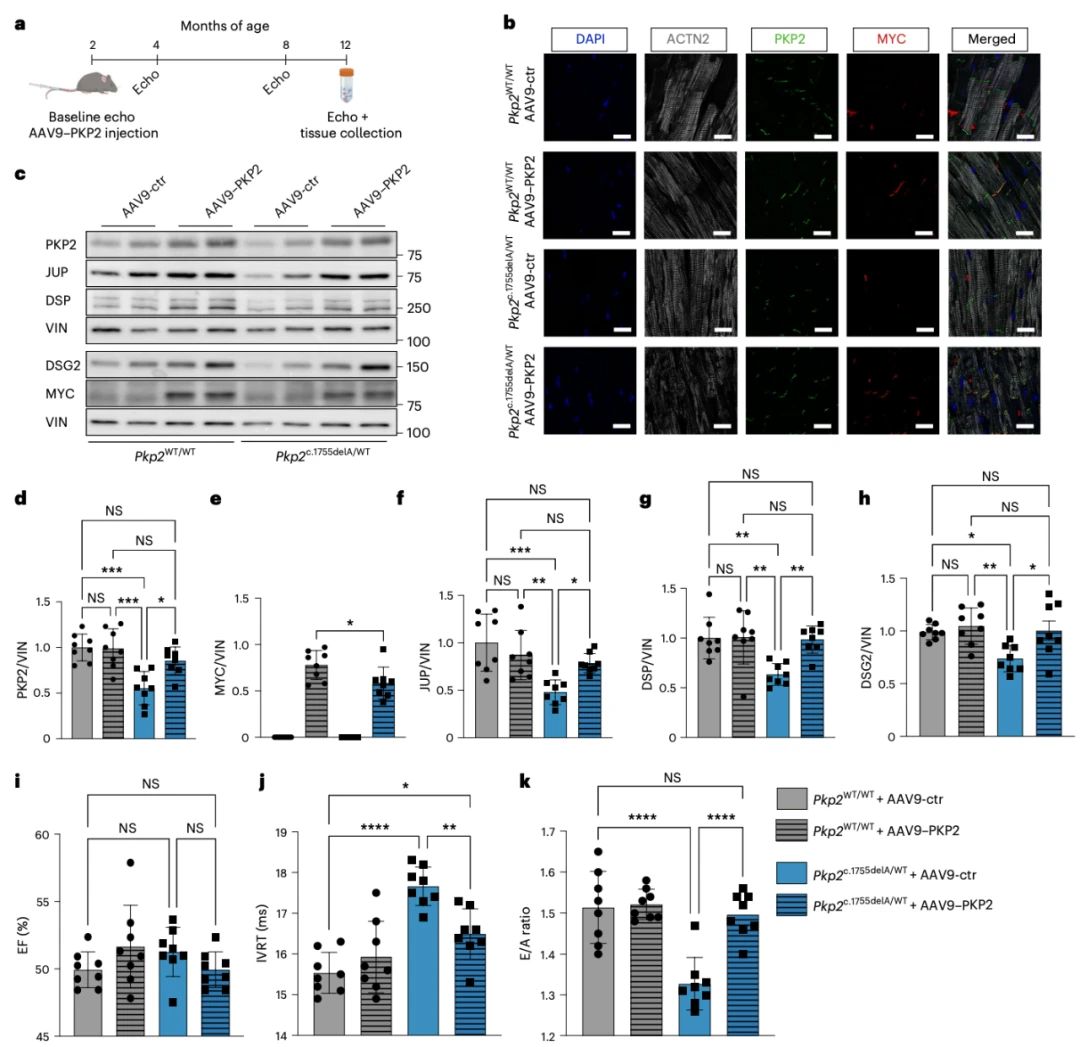
After encouraging progress in preclinical studies, the next step is to investigate the clinical therapeutic potential of this gene therapy approach in patients with arrhythmogenic cardiomyopathy (ACM) who carry mutations in the PKP2 gene.
Eirini Kyriakopoulou, first author of the paper, said that three companies in the United States have announced that they will begin clinical trials next year to test the effectiveness of this gene therapy in patients. Once arrhythmogenic cardiomyopathy (ACM) has progressed to a point where part of the heart muscle has been replaced by fatty tissue, it is uncertain whether the approach can reverse the damage to the heart muscle that is already there. However, it may be sufficient to prevent early disease progression to a more severe stage.
Although the results of preclinical trials and upcoming clinical trials hold great promise for arrhythmogenic cardiomyopathy (ACM), true commercialization of the therapy may be years away. In addition to confirming its efficacy in human patients, any safety concerns must be addressed and eliminated prior to clinical application.